
Patient Education Articles
Read our patient education articles below. Use the search bar below or click on a specific topic that interests you!
GHK-Cu: The Repair Peptide Your Body Has Been Making Since Birth — And Quietly Losing Since 20
GHK-Cu (glycyl-L-histidyl-L-lysine copper) is a naturally occurring tripeptide that functions as the human body’s master repair signal. First isolated from human plasma in 1973, it has since been validated across five decades of published research demonstrating tissue regeneration in skin, bone, nerve, lung, liver, and gut — and gene expression modulation across more than 4,000 human genes.
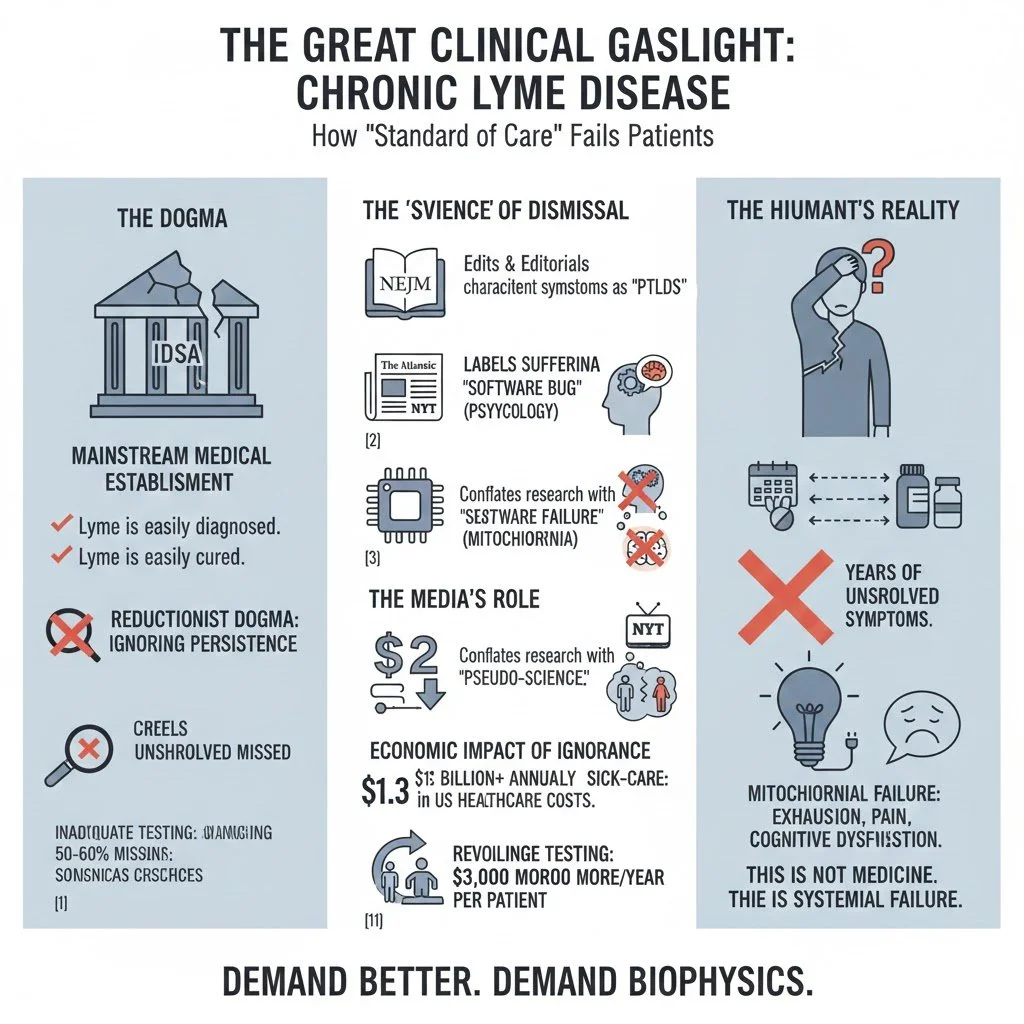
The Great Clinical Gaslight: Persistent Lyme Disease and the Failure of the "Standard of Care"
Chronic Lyme Disease (CLD) and its associated co-infections represent a state of Multi-Systemic Hardware Failure. The conventional medical paradigm—characterized by diagnostic minimalism and a "one-size-fits-all" pharmacological approach—has fundamentally failed a population of millions. This paper identifies the root of this failure: the refusal to recognize Borrelia burgdorferi as a mitochondrial predator that thrives in low-voltage, toxic environments. We propose a revolutionary Hybrid Strike Model that integrates targeted antimicrobials with bio-electronic interventions (PBM, PEMF, NMES) within a radically personalized Clarity Day framework to restore cellular potential and immune sovereignty.
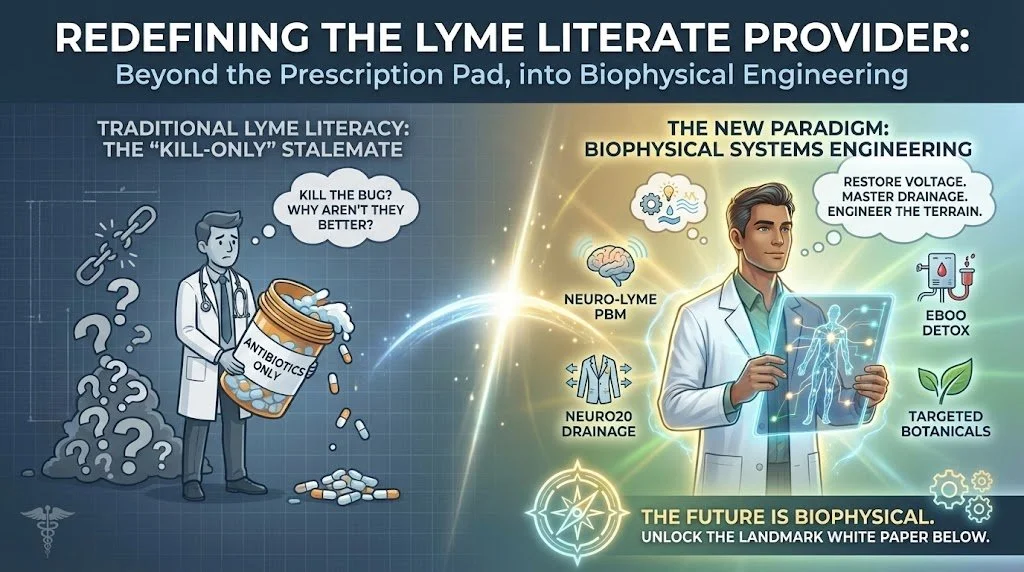
The Architecture of Lyme Literacy: Why 21st-Century Medicine Requires Providers to be Biophysical Systems Engineers
The term "Lyme Literate Medical Doctor" (LLMD) emerged as a necessary lifeboat for patients abandoned by mainstream medicine’s reductionist dogma. Historically, "literacy" was defined by a willingness to acknowledge chronic infection and utilize prolonged antimicrobial therapy. In the modern era of environmental toxicity, mitochondrial arrest, and autonomic dysregulation, this definition is now insufficient. True Lyme literacy is no longer merely about prescribing drugs; it is about the Engineering of the Host Terrain. This paper argues that the future of literacy lies in Human Systems Engineering: restoring cellular voltage, optimizing neuro-lymphatic drainage, and utilizing advanced bio-oxidative technologies to reclaim immune sovereignty and systemic health.

HyperCharge Health issues new statement calling for increased attention on Minnesota's Lyme Disease Crisis
HyperCharge Health is calling on media outlets to help shine a light on this overlooked public health issue and amplify the voices of patients who have gone unheard for far too long.
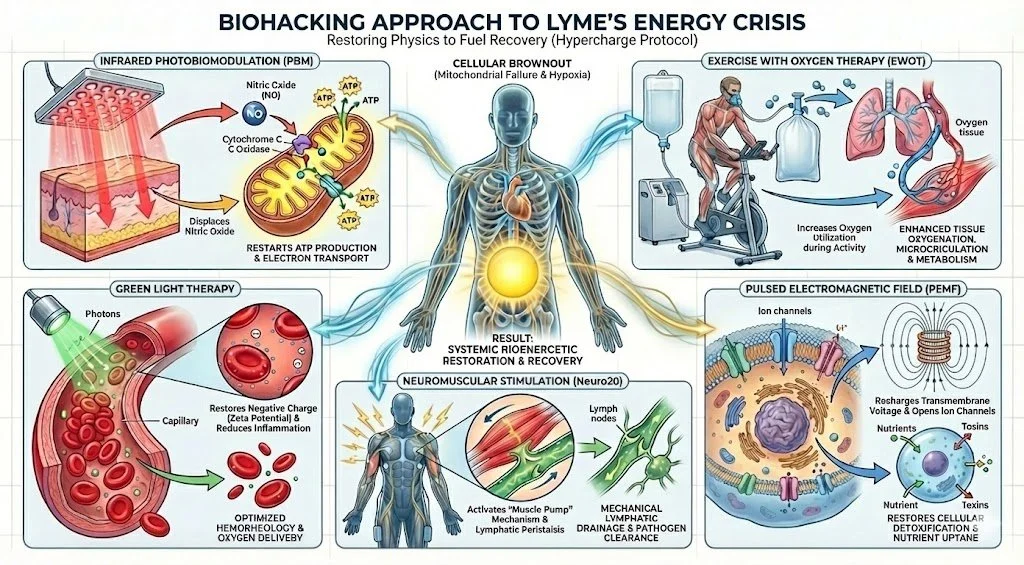
The Biophysical Imperative in Chronic Lyme Disease: A Comprehensive Review of Functional Medicine Limitations and the Case for Regenerative Biohacking & Neuromodulation
Post-Treatment Lyme Disease Syndrome (PTLDS) and Chronic Lyme Disease (CLD) represent a complex multisystemic failure characterized by persistent infection, immune dysregulation, mitochondrial exhaustion, and profound neuropsychiatric sequelae. The current integrative standard of care—Functional Medicine—utilizes systems biology and targeted nutraceuticals to modulate these pathways. While biochemically sound and diagnostically superior to conventional models, this approach frequently encounters clinical ceilings in chronic cases. These limitations stem from compromised gastrointestinal absorption, severe metabolic exhaustion (the "metabolic tax" of digestion), and the physical impermeability of bacterial biofilms.
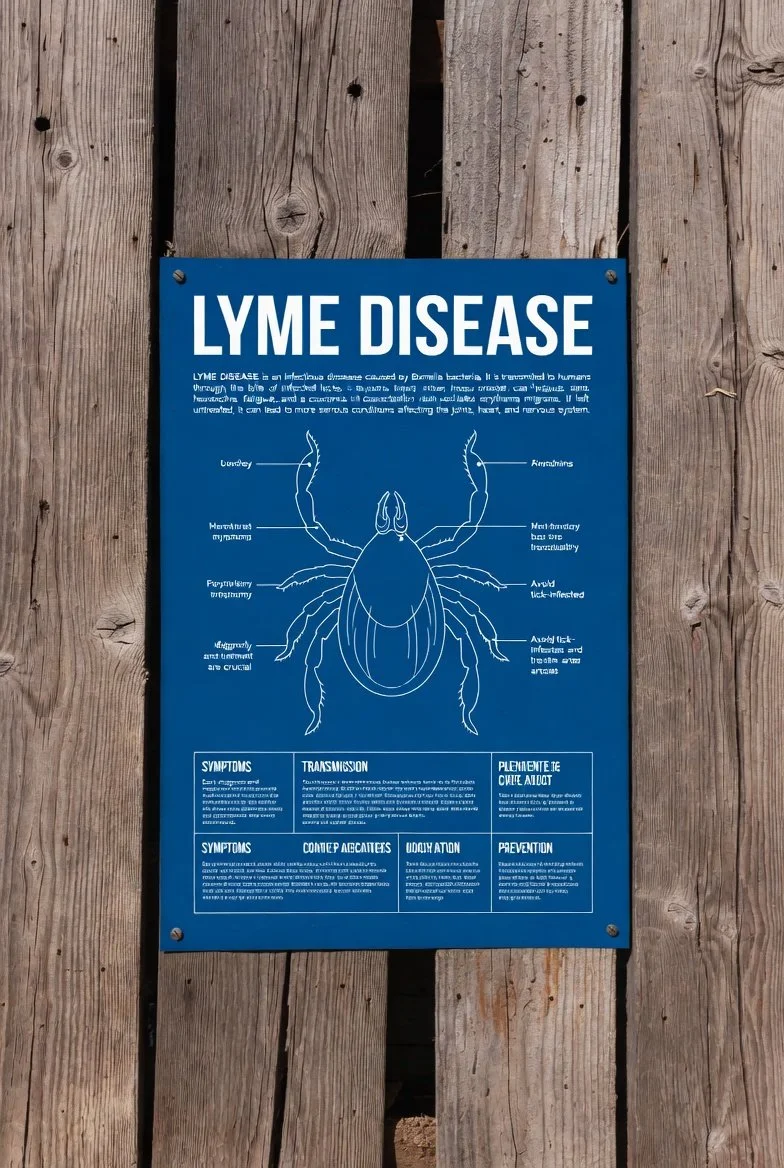
The Silent Epidemic: Breaking the Stranglehold of Chronic Lyme with Light, Oxygen, Regeneration & Neuromuscular Stimulation
If you are ready to stop managing symptoms and start eradicating the root cause of Lyme Disease, we are here to fight alongside you. Book your consultation at HyperCharge Health today.