
Patient Education Articles
Read our patient education articles below. Use the search bar below or click on a specific topic that interests you!
Dr. Sinicropi Incorporates Acellular Protein Arrays Alongside New Book Release
Dr. Stefano Sinicropi integrates Genesis Regenerative's RPA to complement the longevity-driven framework of "Wellness at the Speed of Light."
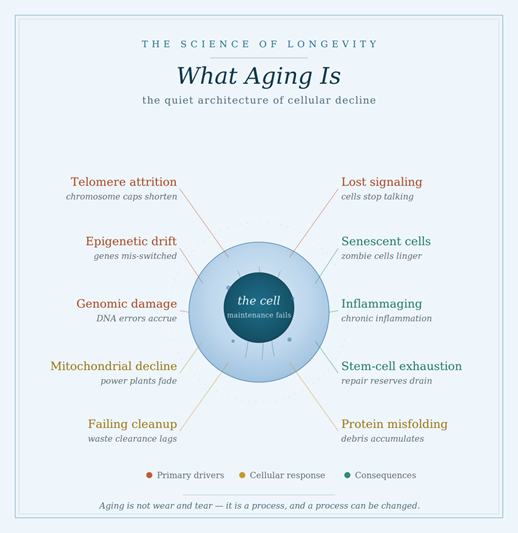
The Science of Longevity: What You Should Know Today—and Where We Are Going
We are the first generation of physicians with the tools to ask a once-unthinkable question: not merely how to treat the diseases of aging, but whether aging itself can be slowed, measured, and—in the laboratory, already—reversed.
GHK-Cu: The Repair Peptide Your Body Has Been Making Since Birth — And Quietly Losing Since 20
GHK-Cu (glycyl-L-histidyl-L-lysine copper) is a naturally occurring tripeptide that functions as the human body’s master repair signal. First isolated from human plasma in 1973, it has since been validated across five decades of published research demonstrating tissue regeneration in skin, bone, nerve, lung, liver, and gut — and gene expression modulation across more than 4,000 human genes.
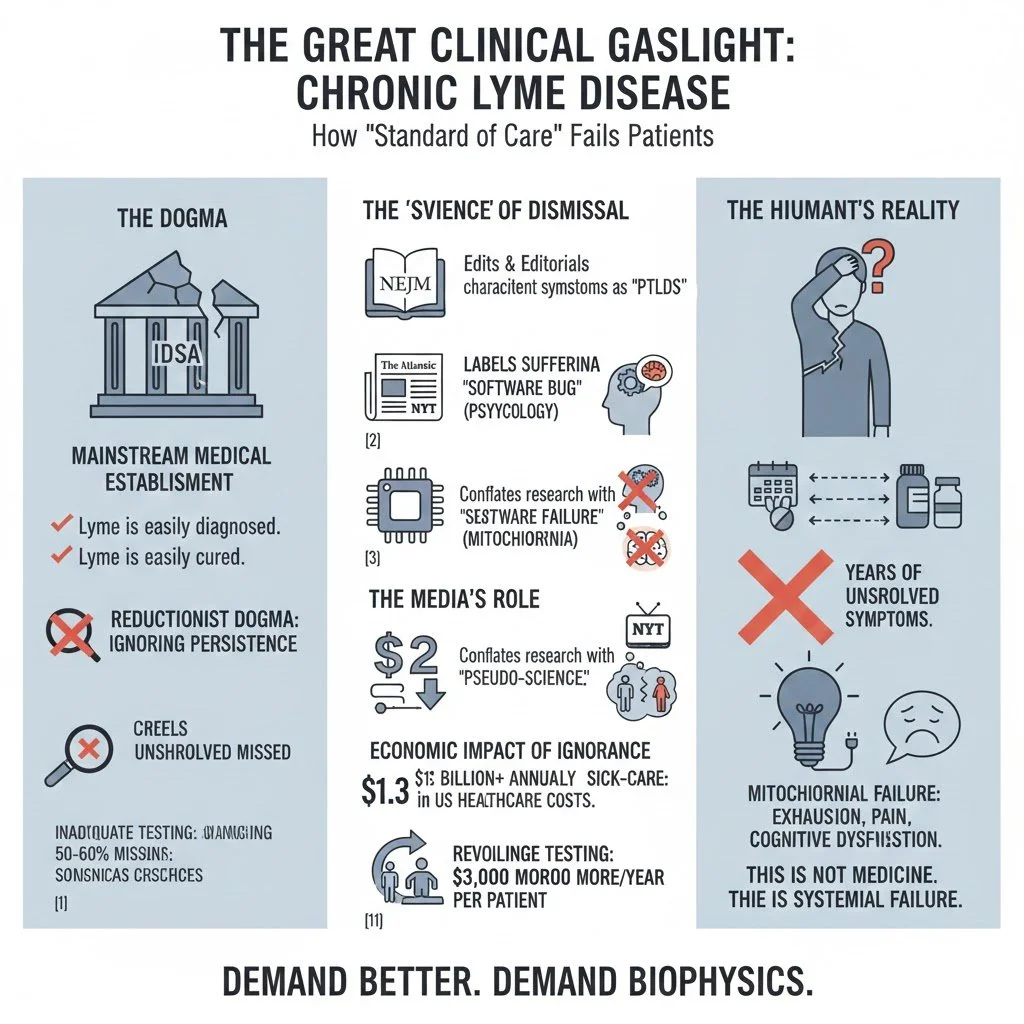
The Great Clinical Gaslight: Persistent Lyme Disease and the Failure of the "Standard of Care"
Chronic Lyme Disease (CLD) and its associated co-infections represent a state of Multi-Systemic Hardware Failure. The conventional medical paradigm—characterized by diagnostic minimalism and a "one-size-fits-all" pharmacological approach—has fundamentally failed a population of millions. This paper identifies the root of this failure: the refusal to recognize Borrelia burgdorferi as a mitochondrial predator that thrives in low-voltage, toxic environments. We propose a revolutionary Hybrid Strike Model that integrates targeted antimicrobials with bio-electronic interventions (PBM, PEMF, NMES) within a radically personalized Clarity Day framework to restore cellular potential and immune sovereignty.
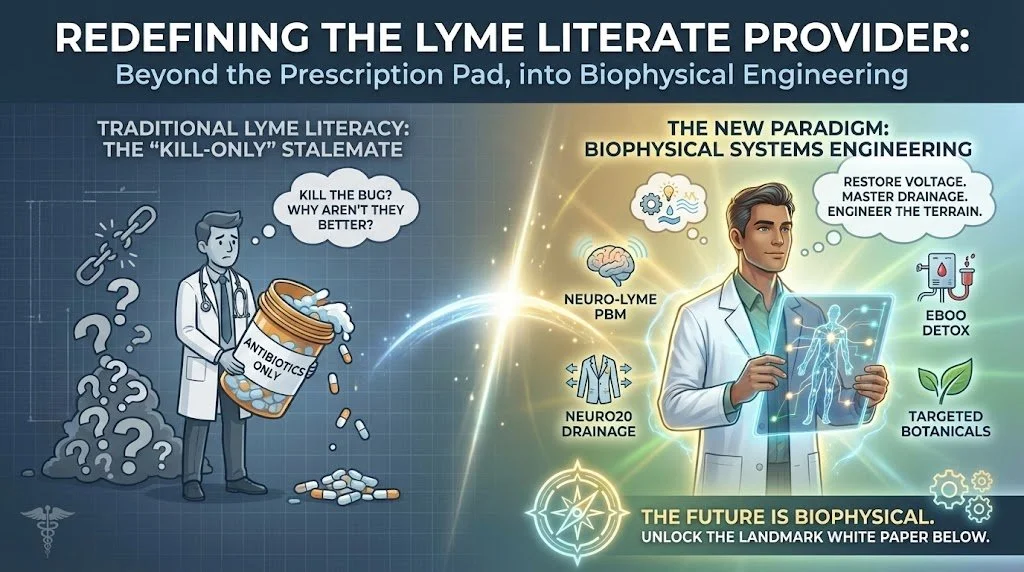
The Architecture of Lyme Literacy: Why 21st-Century Medicine Requires Providers to be Biophysical Systems Engineers
The term "Lyme Literate Medical Doctor" (LLMD) emerged as a necessary lifeboat for patients abandoned by mainstream medicine’s reductionist dogma. Historically, "literacy" was defined by a willingness to acknowledge chronic infection and utilize prolonged antimicrobial therapy. In the modern era of environmental toxicity, mitochondrial arrest, and autonomic dysregulation, this definition is now insufficient. True Lyme literacy is no longer merely about prescribing drugs; it is about the Engineering of the Host Terrain. This paper argues that the future of literacy lies in Human Systems Engineering: restoring cellular voltage, optimizing neuro-lymphatic drainage, and utilizing advanced bio-oxidative technologies to reclaim immune sovereignty and systemic health.

HyperCharge Health issues new statement calling for increased attention on Minnesota's Lyme Disease Crisis
HyperCharge Health is calling on media outlets to help shine a light on this overlooked public health issue and amplify the voices of patients who have gone unheard for far too long.
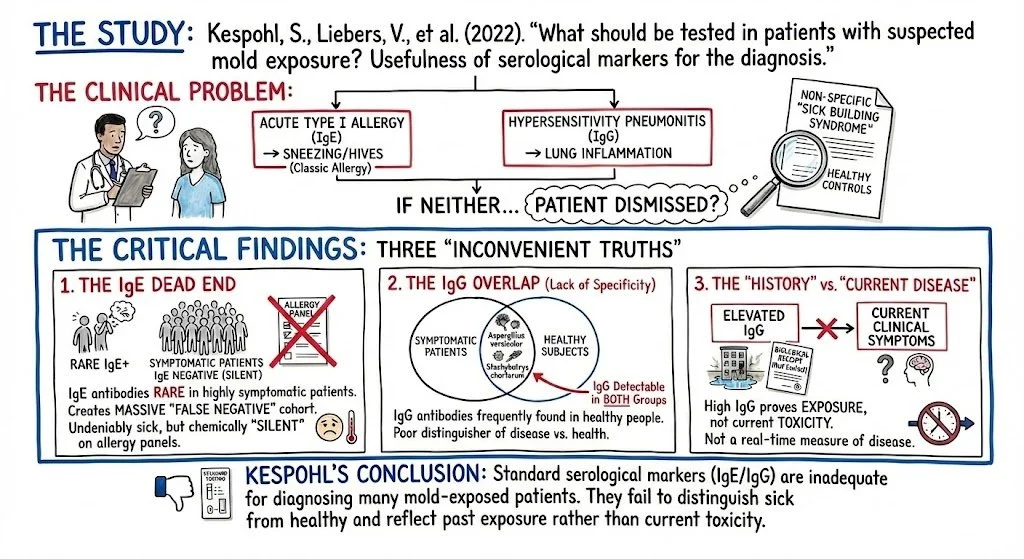
The Diagnostic Blind Spot: The Systemic Failure to Identify Mold Biotoxin Illness
The failure to diagnose Mold Biotoxin Illness is not merely a clinical oversight; it is a systemic error with devastating neuro-immune consequences. Current "Standard of Care" protocols rely almost exclusively on IgE (Allergy) and IgG (Exposure) serology. This binary approach creates a massive "Diagnostic Blind Spot": it correctly identifies the allergic patient but renders the septic, neuro-toxic patient invisible.
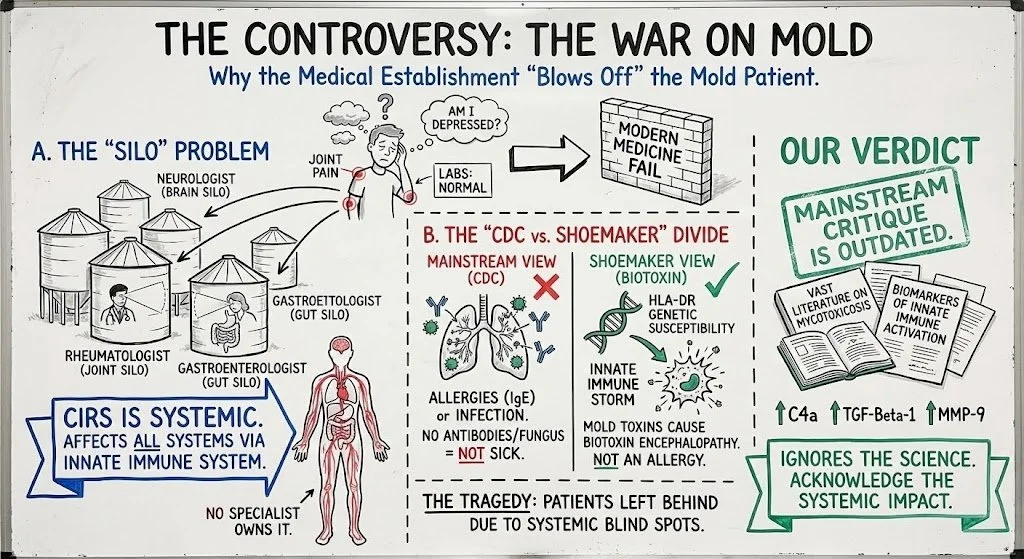
The Shoemaker Protocol: A Forensic Audit of the Standard of Care for Biotoxin Illness
For decades, a schism has existed in medicine regarding Mold Toxin Illness. On one side stands the mainstream medical establishment, which largely views mold exposure solely as an allergic or pulmonary event. On the other stands Dr. Ritchie Shoemaker, a primary care physician who mapped a distinct, multi-system pathology termed Chronic Inflammatory Response Syndrome (CIRS).
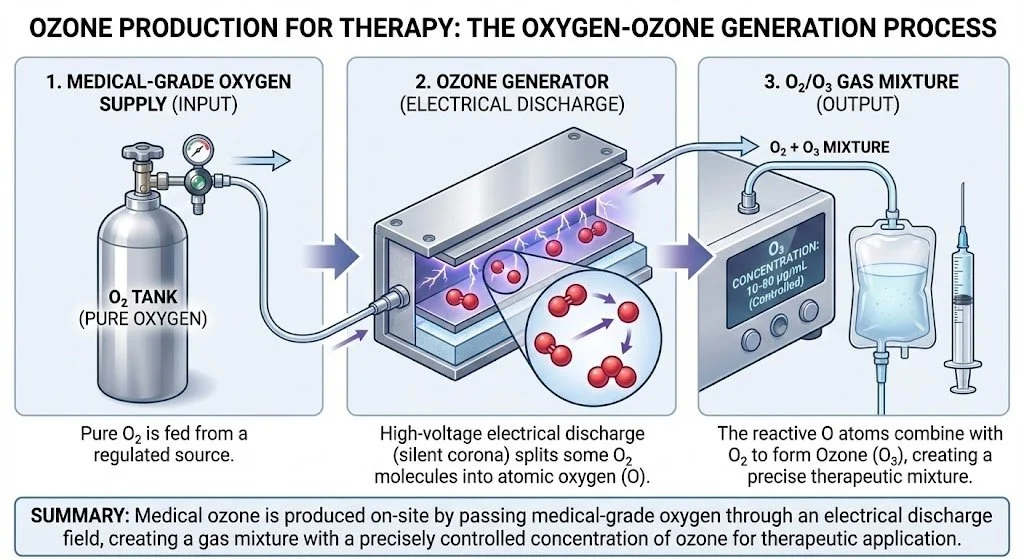
Ozone Therapy as a Modulator of Mitochondrial Bioenergetics and Redox Signaling
Modern medicine operates on a linear pharmacological model: "Block the receptor, stop the symptom." This model often fails in complex chronic illness where the primary failure is bioenergetic, not chemical. This whitepaper interrogates the literature surrounding Ozone Therapy (O3), moving beyond its reputation as "alternative medicine" to establish it as a precise oxidative signaling therapy. By reviewing 40 years of international data—including the Madrid Declaration standards—we postulate that Ozone functions not as a drug, but as a hormetic trigger. It acts as a biological "software update" that recalibrates the body’s antioxidant and anti-inflammatory hardware (The Nrf2 Pathway). We propose a novel clinical framework: "The Redox Resuscitation Protocol," positioning Ozone as an integrative adjunct for the "Stalled Engine" of chronic disease.
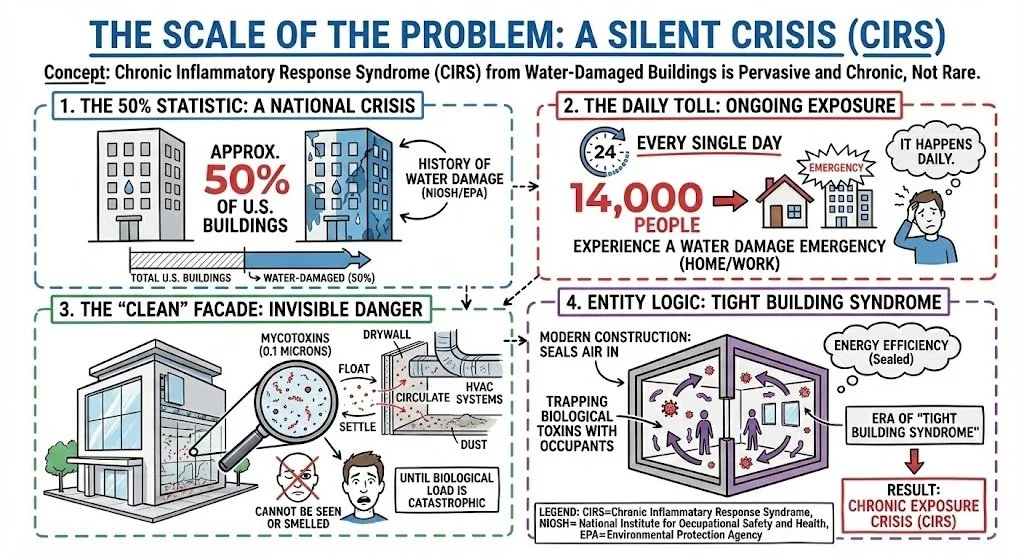
The Invisible Epidemic: Why Water Damage is the Most Overlooked Cause of Chronic Illness
The term "Mold Illness" is a misnomer. It suggests a rare, acute reaction. The reality is a pervasive, chronic exposure crisis known clinically as Chronic Inflammatory Response Syndrome (CIRS) acquired from water-damaged buildings.
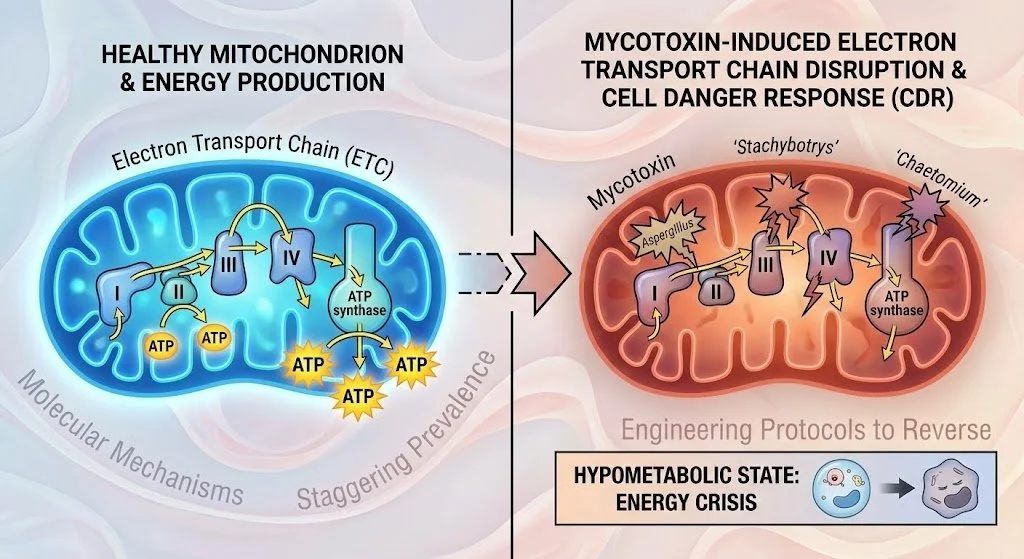
The Mitochondrial Winter: How Mycotoxins Hijack Human Energy Production
Chronic fatigue, cognitive decline ("brain fog"), and multi-system pain are often dismissed in standard medical practice as psychosomatic or idiopathic. However, in a significant subset of patients, these symptoms represent a coherent, quantifiable failure of cellular energy production caused by environmental mycotoxins.
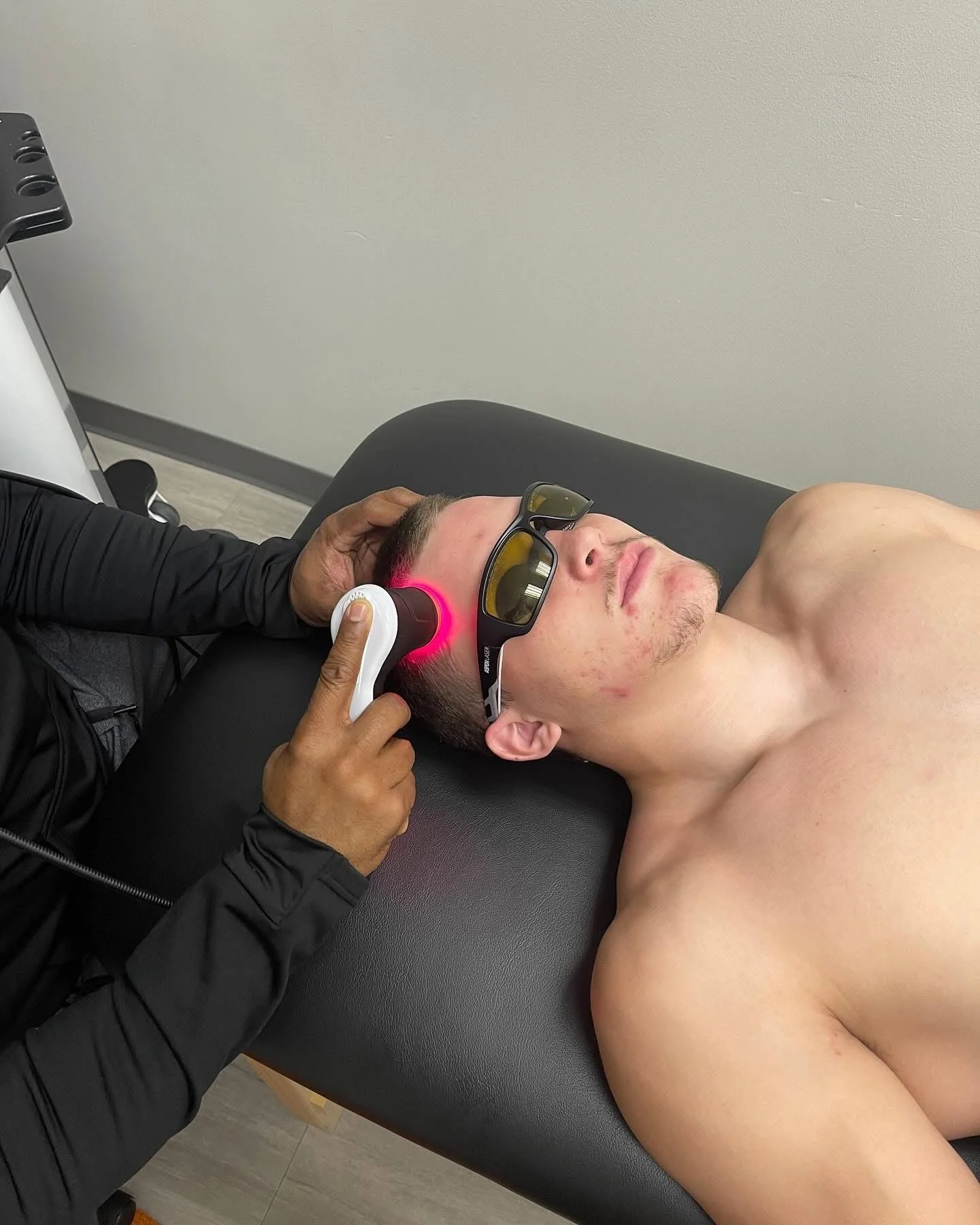
The Moldy Brain: Why Psychiatric Symptoms are Often Environmental Toxicity
Every day, patients walk into clinics with a constellation of symptoms: panic attacks, sudden rage, brain fog, and treatment-resistant depression. They are prescribed SSRIs, Benzodiazepines, and Antipsychotics. They rarely get better. Why? Because they do not have a serotonin deficiency. They have a toxicity problem.

The Eyes of the Machine: Why the Transition from LLMs to VLMs is the True Medical Revolution
We are living through the most significant technological transition since the invention of the microscope. For the last two years, the world has been captivated by Large Language Models (LLMs)—Artificial Intelligence that can read, write, and pass the Medical Board Exams.
While impressive, LLMs have a fatal flaw: They are blind. They operate on text, but biology operates on physics, geometry, and light. An LLM can read a textbook about cancer, but it cannot see the subtle asymmetry of a tumor cell.
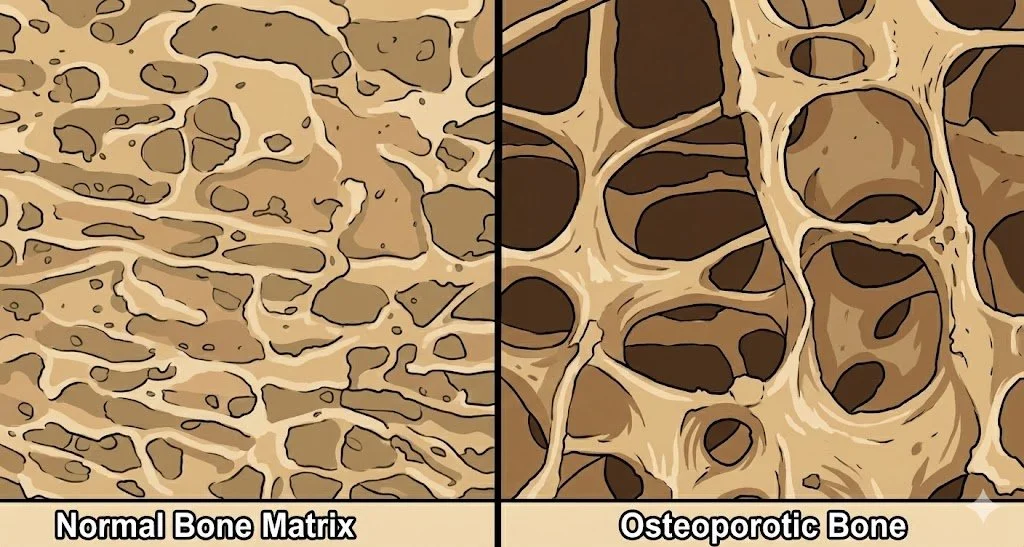
The Crumbling Frame: Why We Are Losing the War on Osteoporosis (And How Engineering Can Win It)
If you analyze the trajectory of osteoporosis management over the last two decades, you find a disturbing paradox. The prescription of anti-resorptive medications (Bisphosphonates) has been widespread since the 1990s. We have more drugs, more screening awareness, and more "calcium chews" on the market than ever before.
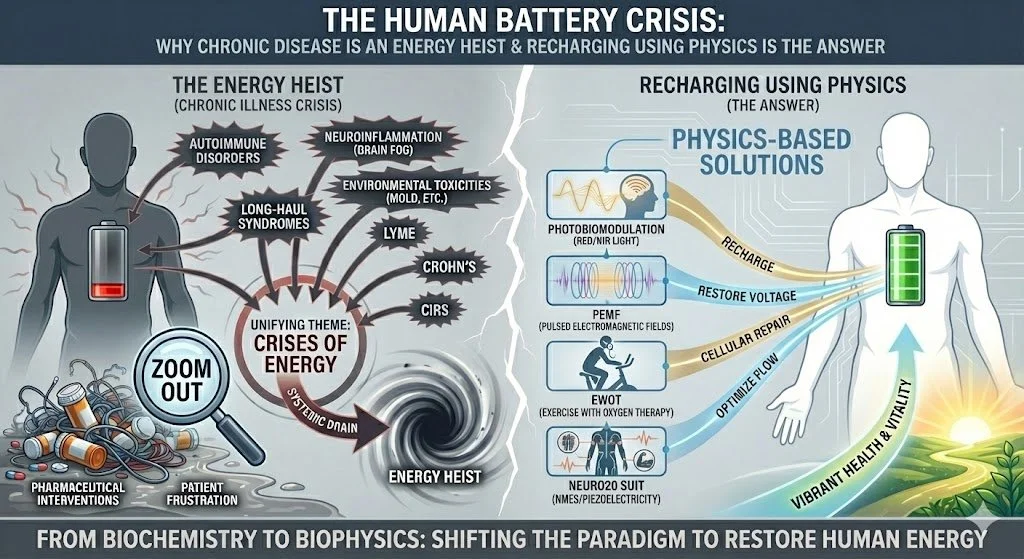
The Human Battery Crisis: Why Chronic Disease is an Energy Heist and Recharging using Physics is the Answer
If you look at the current landscape of chronic illness—the explosion of autoimmune disorders, the debilitating fatigue of long-haul syndromes, the cognitive fog of neuroinflammation, and the systemic drain of environmental toxicities like mold—you see a million different symptoms. You see countless diagnoses, a dizzying array of pharmaceutical interventions, and a profound level of patient frustration. But if you zoom out—if you look past the specific labels of Lyme, Crohn’s, or CIRS (Chronic Inflammatory Response Syndrome)—you begin to see a unifying theme. A singular, underlying crisis that connects them all.
They are all crises of energy.
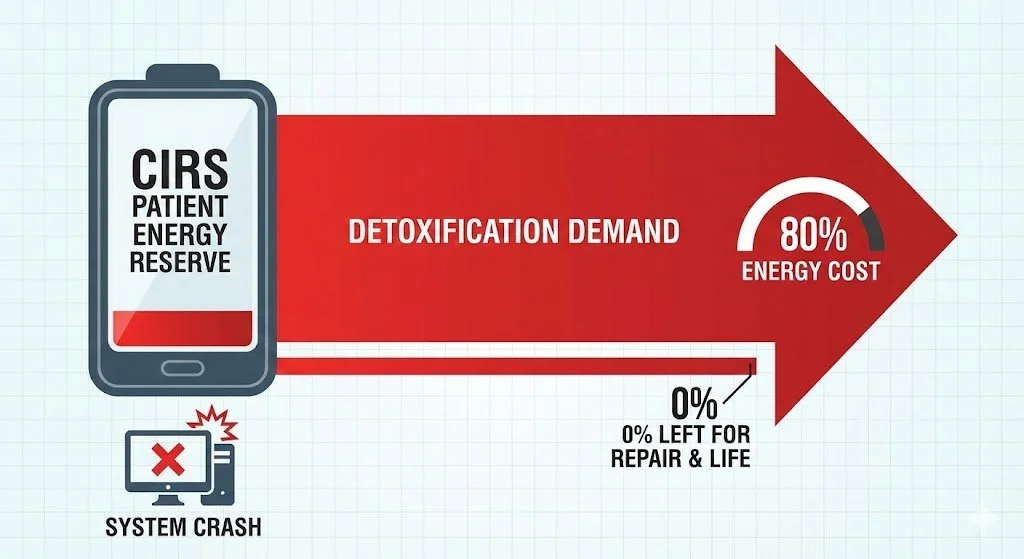
Restoring the Terrain in Mold Illness - Chronic Inflammatory Response Syndrome (CIRS): Beyond Functional Biochemical Detoxification
Chronic Inflammatory Response Syndrome (CIRS), commonly known as "Mold Illness," acquired from exposure to water-damaged buildings (WDB), represents a catastrophic failure of the innate immune system and cellular bioenergetics. The current integrative standard of care—Functional Medicine utilizing the Shoemaker Protocol—relies predominantly on biochemical interventions: systemic binders, targeted supplements, and dietary modulation to facilitate detoxification. While diagnostically precise and biochemically sound, this approach frequently encounters significant clinical ceilings in chronic, multisystemic cases. These limitations stem from a fundamental oversight: the inability of a metabolically exhausted host with compromised membrane transport and lymphatic stasis to execute complex biochemical detoxification pathways. This review argues for a paradigm shift toward a "Physics-First" hierarchy of care. By prioritizing advanced biophysical modalities—specifically Photobiomodulation (PBM), Hyperbaric Oxygen Therapy (HBOT) combined with Exercise with Oxygen Therapy (EWOT), Pulsed Electromagnetic Field (PEMF) therapy, and mechanical lymphatic/glymphatic clearance—clinicians can address the structural and energetic pathologies of CIRS that chemical agents cannot reach. We propose that restoring cellular voltage, reducing tissue hypoxia, and mechanically forcing detoxification pathways is the essential prerequisite for biochemical interventions to be effective.
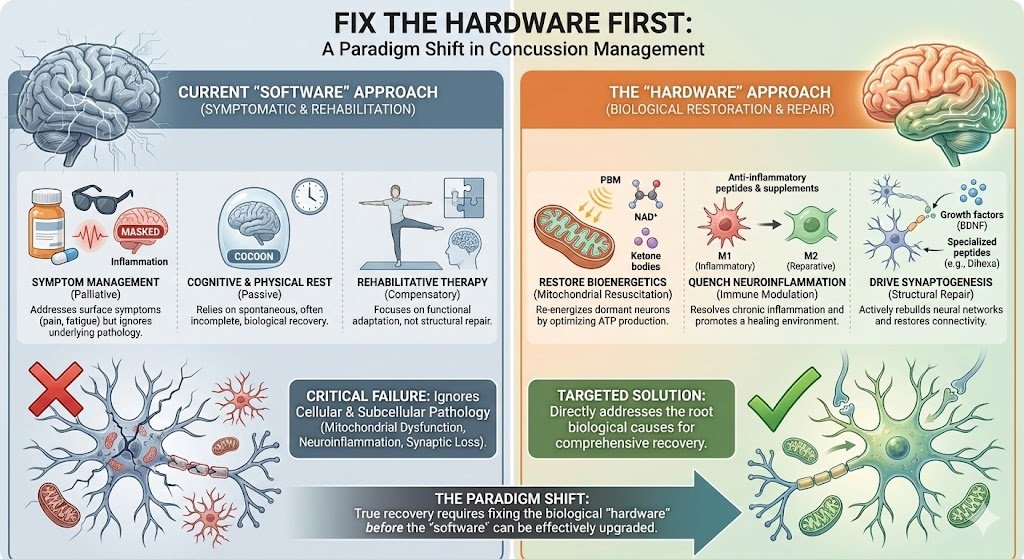
Fix the Hardware First: A Paradigm Shift in Acute and Chronic Traumatic Brain Injury Management
The standard of care for Traumatic Brain Injury (TBI) and concussion has long relied on a "software-centric" model: symptom management, cognitive rest, and rehabilitative therapy. However, this approach frequently fails to address the underlying "hardware" failure—the cellular and subcellular pathology resulting from the neurometabolic cascade of injury. Furthermore, with average wait times for neurology specialists now exceeding a month, patients are often losing the critical window for immediate repair, allowing acute injuries to calcify into chronic Post-Concussion Syndrome (PCS).
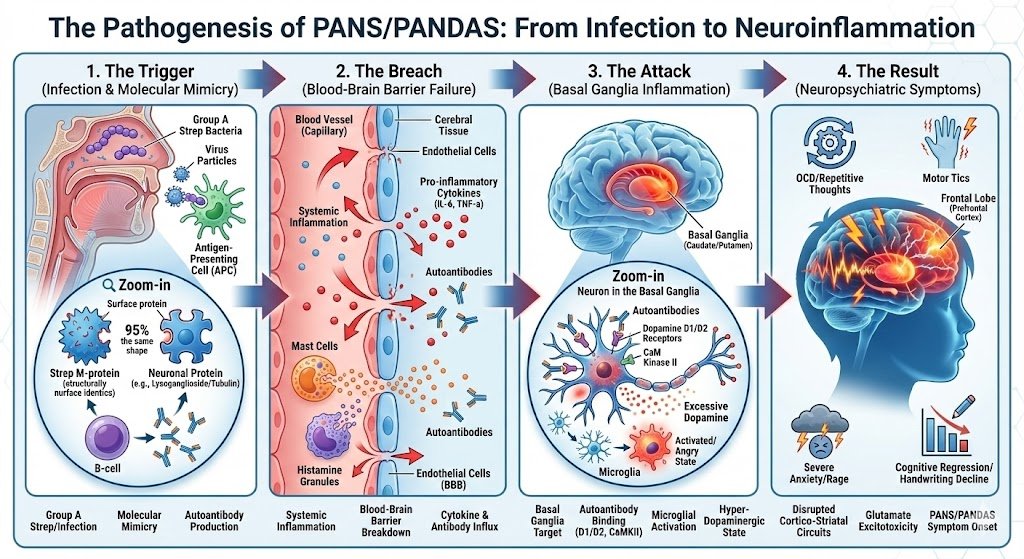
The Neuroinflammatory Crisis of PANS/PANDAS: A Biophysical Imperative for Restoring the "Brain on Fire" Beyond Conventional and Functional Interventions
Pediatric Acute-onset Neuropsychiatric Syndrome (PANS) and Pediatric Autoimmune Neuropsychiatric Disorders Associated with Streptococcal Infections (PANDAS) represent a devastating class of infection-triggered autoimmune encephalopathies. Characterized by the abrupt, dramatic onset of obsessive-compulsive behaviors, severe anxiety, tics, and cognitive regression, these conditions transform a child's life overnight. The current standard of care utilizes a "three-pronged" approach: antimicrobial eradication, immunomodulatory therapies (IVIG, plasmapheresis), and psychiatric management. However, a significant cohort of patients remains refractory to these approaches, often due to established neuroinflammation, a compromised Blood-Brain Barrier (BBB), and profound neuronal metabolic failure.
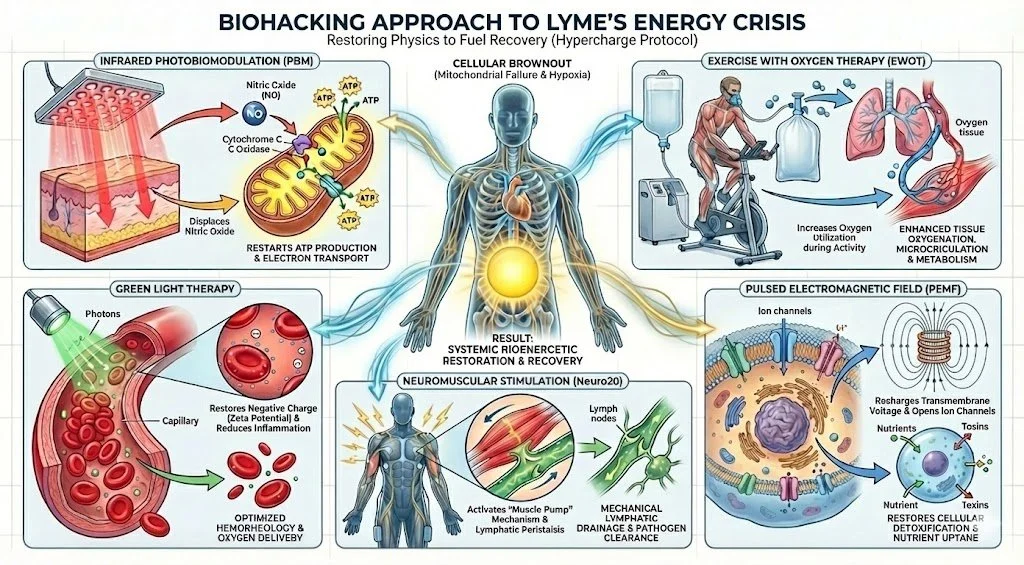
The Biophysical Imperative in Chronic Lyme Disease: A Comprehensive Review of Functional Medicine Limitations and the Case for Regenerative Biohacking & Neuromodulation
Post-Treatment Lyme Disease Syndrome (PTLDS) and Chronic Lyme Disease (CLD) represent a complex multisystemic failure characterized by persistent infection, immune dysregulation, mitochondrial exhaustion, and profound neuropsychiatric sequelae. The current integrative standard of care—Functional Medicine—utilizes systems biology and targeted nutraceuticals to modulate these pathways. While biochemically sound and diagnostically superior to conventional models, this approach frequently encounters clinical ceilings in chronic cases. These limitations stem from compromised gastrointestinal absorption, severe metabolic exhaustion (the "metabolic tax" of digestion), and the physical impermeability of bacterial biofilms.
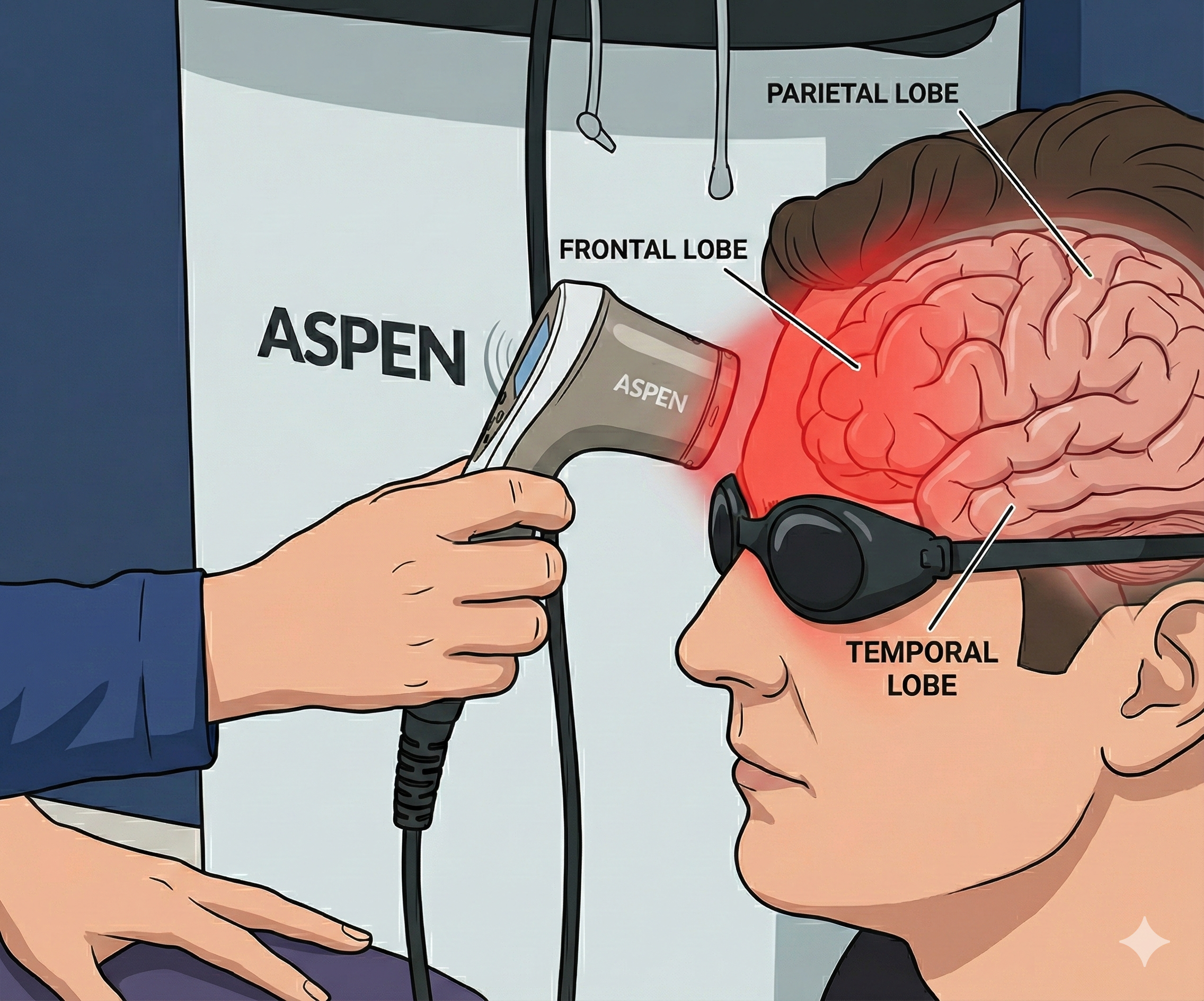
Transcranial Photobiomodulation: Origins, Mechanisms, Indications, and Clinical Outcomes – An Evidence-Based Case for a Transformative Therapy
Transcranial photobiomodulation (tPBM), the delivery of red-to-near-infrared light (600–1200 nm) through the intact skull to modulate brain function, has progressed from intriguing preclinical findings to a robust body of clinical evidence. As of late 2025, over 200 human studies—including dozens of randomized controlled trials (RCTs)—demonstrate that tPBM is safe, well-tolerated, and remarkably effective across a spectrum of brain disorders that have long defied conventional pharmacology: traumatic brain injury (TBI), stroke, major depressive disorder (MDD), Alzheimer’s disease (AD), Parkinson’s disease (PD), autism spectrum disorder (ASD), post-COVID neurological sequelae, and even complex inflammatory conditions such as chronic Lyme disease and mold-related biotoxin illness.